Manage Peak Shipping Seasons: A Guide for Businesses & Fleets

Additionally, trailers and containers may become harder to source.
Even if fleets and shippers aren’t working with goods tied to a peak season, the season can still impact their operations by making it harder to find capacity, drivers and storage space. Being aware of seasons, including when they overlap, can help carriers and shippers alike anticipate volatility and plan strategically.
Retail Season
Consumer demand influences several freight surges, with back-to-school and holiday shopping being among the top drivers of retail sales. The retail peak typically begins in July and lasts through late October, as retailers stock inventory ahead of major shopping dates. Demand can carry on into November and December. The National Retail Federation estimated that consumers spent $128.2 billion on back-to-school shopping, while Halloween spending was expected to reach a record $13.1 billion this year. The U.S. Census Bureau estimates that consumers will spend $994.1 billion on holiday spending from Nov. 1 through Dec. 31.
Produce and Harvest Season
From spring into early summer, the agricultural industry can dominate regional markets, especially as crops from California, Florida, the Southwest and the Southeast move from the field to the market. The traditional produce season runs from April through July, but the exact timing varies by crop and region. The planting season can also create a spike, driving up capacity demand as seed, fertilizer and farm equipment ship in the spring.
Holidays
While the peak retail seasons coincide with popular holidays, including Halloween, Thanksgiving, Christmas and Hanukkah, others can still lead to an increase in freight. During the summer months, Memorial Day and the Fourth of July can increase demand for backyard grills, outdoor furniture and yard supplies. Easter increases demand for candy, toys, clothing, decorations and groceries.
Construction Season
When the ground thaws, construction projects begin across the country, ranging from road and bridge construction to housing starts and commercial developments. That means steel, lumber, pipe, roofing and other products start moving. Construction typically occurs from March to October, but these periods may be longer in specific regions.
Niche Peaks
Beyond the well-known surges, several smaller surge periods can affect capacity, especially in specific regions. Cold and flu season can increase demand for healthcare-related goods. In the spring, beverage and bottling companies increase production ahead of summer surge periods. A similar ramp-up occurs in the packaging industry in late summer, when corrugated box and pallet producers increase production to prepare for the upcoming retail holiday season. In the Pacific Northwest, fall brings a logging rush with timber and pulp being hauled from September through November.
Plan for Peak
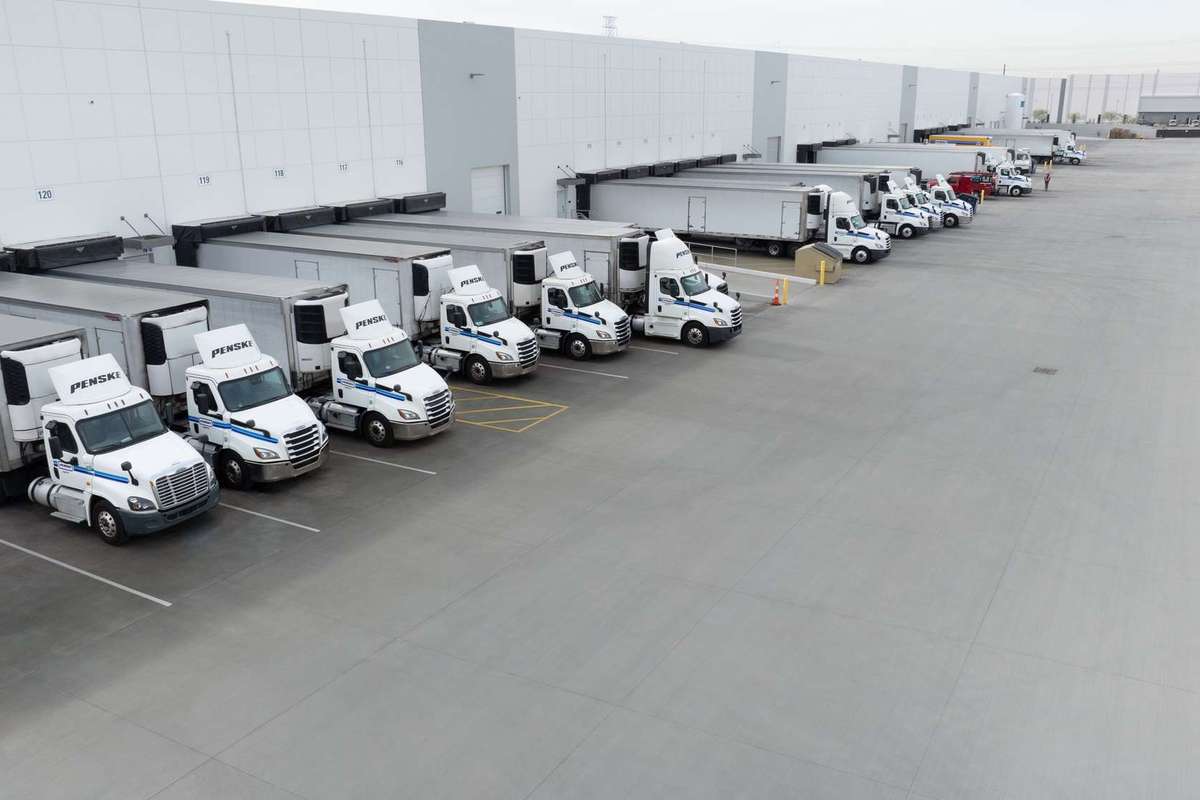
Strategic planning can help fleets and shippers be proactive rather than reactive when peak seasons hit, ensuring capacity is available and helping control costs. Penske has several solutions to help manage peak season needs, including full-service truck and trailer leases, commercial rental trucks, used equipment and logistics services.
Learn more about peak season solutions:
How Leasing Helps Fleets Stay Ready for Peak Season
How Logistics Services Keep Supply Chains Moving During Peak Season
How Rental Equipment Helps Fleets Stay Ahead During Peak Season
DISCLAIMER: The content provided is for general informational purposes only. Penske makes every effort to ensure the accuracy of the information presented; however, the information herein is provided without any warranty whatsoever, whether express, implied or statutory. In no event shall Penske be liable for (i) any direct, incidental, consequential, or indirect damages (including loss profits) arising out of the use of the information presented, even if Penske has been advised of the possibility of such damage, or (ii) any claim attributable to errors, omissions, or other inaccuracies in connection with the information presented.