In 2026, supply chains won’t just support business operations – they will determine which companies lead and which fall behind. Shippers are raising expectations, demanding continuous improvement, technology that delivers measurable advantages and insights that drive immediate action.
Leaders will move beyond transactional relationships to build adaptable, trust-based partnerships that create shared value and thrive amid disruptions. This shift is fundamentally reshaping the logistics landscape.
Shippers and Third- and Fourth-Party Logistics (3PL/4PL) providers must adapt accordingly. The new focus is clear: achieve holistic supply chain visibility, deploy integrated solutions that unite planning with execution and optimization and leverage advanced analytics for proactive problem solving.
In addition, collaborative partnerships that drive continuous innovation have become the foundation of competitive advantage. According to the 2026 Third-Party Logistics Study, today’s partnerships are built on performance. Shippers turn to 3PLs for their ability to provide adaptability, innovation and resilience in a volatile operating environment.
Knowing all the challenges that shippers face and the vital importance of a strong supply chain, Penske Logistics has transitioned from our freight management (FM) solutions terminology to supply chain management (SCM). The change better reflects the solutions our teams provide and highlights the nature of the end-to-end logistics operations in 2026.
Tracy Urbanski, senior vice president of operations at Penske Logistics, offers her perspective on what shippers and providers need to prioritize in 2026 and how Penske’s comprehensive SCM approach meets customers where they are on their supply chain journey.
Q: What is the difference between freight management and supply chain management?
A: Freight management can be viewed as tactical transportation execution, moving shipments from one location to another by 3PLs or freight brokers. While FM is an important part of our service offering, this narrow view does not address today’s complexities that we navigate with our customers.
Supply chain management delivers strategic end-to-end orchestration, ensuring that products move from their origins to their destinations on time, in full and in the most cost-effective manner. We act as an extension of our customers’ teams to drive performance, intelligent insights and continuous improvement across the supply chain.
As supply chains grow more complex and customer expectations increase, shippers need a partner who can implement integrated solutions. This shift aligns with the increasing demands from consumers.
Q: What will drive supply chain success in 2026?
A: Supply chain success in 2026 hinges on multiple priorities: enhanced service levels, cost optimization, customer satisfaction, modernized technology and continuous improvement. One way to accelerate success is through strategic partnerships that enable businesses to differentiate and improve their operations.
The most effective relationships between a shipper and a 3PL or 4PL are built on shared values, collaboration, trust and accountability, creating the foundation for agile, high-impact supply chains that deliver measurable cost savings.
Priorities could include:
- A 3PL or 4PL partner that aligns with business values and long-term objectives
- Implementing ongoing improvements that maintain or improve costs and best-in-class performance standards
- Leveraging technology platforms that enable proactive intervention before disruptions occur
- Ensuring that the supply chain is viewed as a strategic differentiator that separates an organization from its competitors
Q: What are the top pain points for shippers and providers?
A: According to the 2026 Third-Party Logistics Study, 81% of shippers cite supply chain disruptions and complexity as the number one driver of a strategic partnership with a 3PL provider, followed by cost optimization and digital transformation.
These concerns will continue to keep leadership teams up at night. Evolution and complexity are inevitable - that’s not a bad thing, but it means leaders must embrace change and focus on doing the right things. Success requires building a culture of continuous improvement that adapts to supply chain demands and changes – finding vulnerabilities and establishing responsive plans that minimize disruptions before they spiral out of control helps keep these risks at bay.
Cost optimization is critical. Leaders should focus on eliminating waste by refining processes, utilizing strategic partnerships and implementing data-driven frameworks that help to enable savings identification across the supply chain.
For technology, leaders should prioritize investments in real-time visibility platforms that provide usable and intelligible data and automation tools that reduce errors and manual work. Integrated communication tools connecting all stakeholders across the supply chain, and highlighting insights to optimize routing, inventory, and demand forecasting are also key enablers for any shipper or third party. These key investments work together to create a supply chain that delivers real, impactful improvements and ROI.
Q: How does Penske’s approach overcome these challenges?
A: Our comprehensive SCM solutions go beyond freight management to deliver strategic oversight. Penske experts manage your supply chain as an extension of your team with proactive engagement and insights that identify issues before they occur. We tailor flexible solutions that fit where you are on your supply chain journey.
We help eliminate waste across the entire supply chain and integrate data-driven strategies to improve KPIs and deliver measurable ROI. Operational excellence and efficiency gains ensure that costs are aligned.
Our advanced ClearChain® Technology Suite enables real-time visibility and control with integrated capabilities that connect systems and data sources. When you have the right information through data and analytics, smarter decisions can be made faster.
A Partner for 2026 and Beyond
Penske builds long-term partnerships that drive mutual growth and innovation. We handle supply chain solutions so you can focus on your core business, delivering improved performance, better bottom-line results, sustainable competitive advantages and delighted customers.
Whether you need tactical support or complete supply chain transformation in 2026, we can deliver measurable results. Contact us and explore our comprehensive SCM solutions.
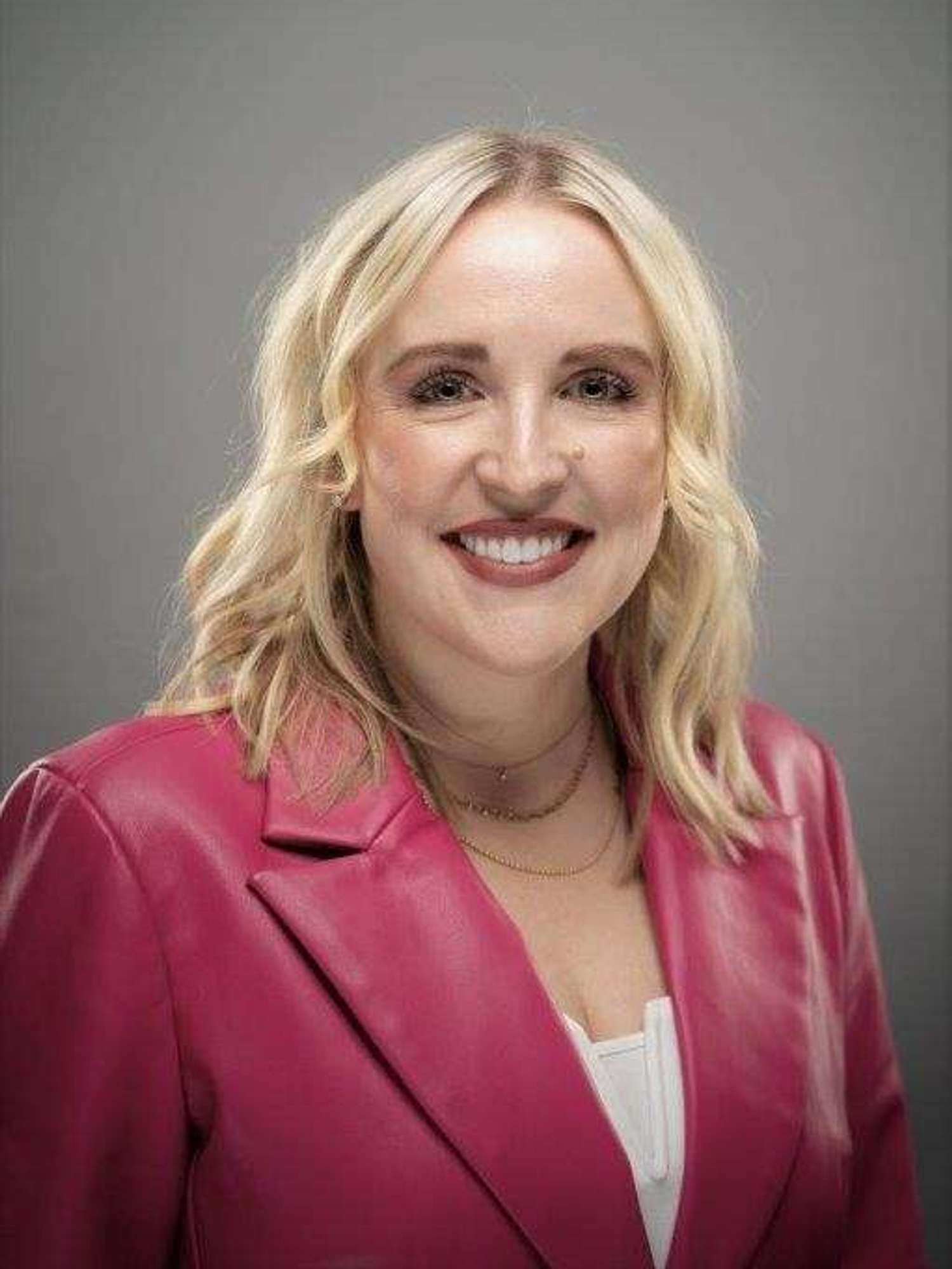
Tracy Urbanski is senior vice president of operations for Penske Logistics. Before this role, she was vice president of sales and worked as director of enterprise accounts and enterprise account executive positions at Penske. Urbanski has more than 20 years of experience in the transportation industry, serving in operations, sales, and solutions engineering leadership positions at Penske Logistics and XPO Logistics. Urbanski earned a bachelor’s degree in logistics management and marketing from Central Michigan University. |
DISCLAIMER: The content provided is for general informational purposes only. Penske makes every effort to ensure the accuracy of the information presented; however, the information herein is provided without any warranty whatsoever, whether express, implied or statutory. In no event shall Penske be liable for (i) any direct, incidental, consequential, or indirect damages (including loss profits) arising out of the use of the information presented, even if Penske has been advised of the possibility of such damage, or (ii) any claim attributable to errors, omissions, or other inaccuracies in connection with the information presented.