The North American trucking industry is no stranger to volatility. Freight demand fluctuates with economic cycles, capacity tightens and loosens with market conditions and rates can swing dramatically in short periods of time. Through it all, one challenge remains constant for shippers: securing reliable, cost-effective transportation capacity in a market they cannot fully control.
Trucking is the backbone of domestic freight movement, carrying most goods shipped across the country. That fundamental reality isn't changing – and neither is the complexity shippers face in managing their transportation needs effectively.
Why Capacity Is Always a Concern for Shippers
Regardless of where the freight market stands at any given moment, several structural challenges create persistent pressure on trucking capacity:
- A chronic driver shortage that has persisted for decades and shows no signs of resolving, driven by an aging workforce, demanding lifestyle requirements and difficulty attracting new people to the profession
- Regulatory requirements around hours-of-service compliance and electronic logging that limit available driving time and reduce effective capacity across the industry
- Rising operational costs – such as equipment, fuel, insurance and maintenance – that constrain carrier growth and fleet expansion
- Surging e-commerce and consumer expectations that continue to intensify freight demand and place greater pressure on last-mile and final delivery networks
The impact of these pressures is felt across virtually every industry, including manufacturing, food and beverage, retail, consumer goods and healthcare. When capacity tightens, shippers face not only higher freight rates but also the risk of delivery delays that ripple through their supply chains and erode customer satisfaction.
Shippers Fight Back With Dedicated Transportation
To combat ongoing capacity uncertainty and stabilize transportation costs, shippers generally have a few strategic options:
- Expand their own private fleet and internal driver pool
- Pursue contracts with additional carriers to diversify capacity sources
- Outsource transportation to a third-party logistics provider (3PL) through dedicated contract carriage (DCC)
The third option is gaining significant and sustained momentum – and for good reason. Dedicated contract carriage gives shippers something the open freight market simply cannot guarantee – predictability.
DCC arrangements lock in both rates and capacity, insulating shippers from spot market volatility and ensuring their freight moves on time, every time, regardless of broader market conditions.
What Dedicated Transportation Delivers
Leading dedicated transportation providers offer shippers far more than trucks and drivers. A well-structured DCC partnership delivers a comprehensive solution that includes:
- Guaranteed capacity: A committed number of loads covered under contract, regardless of market fluctuations
- Rate stability: Protected pricing that enables accurate budgeting and cost forecasting
- Advanced technology: Including transportation management systems (TMS), real-time freight visibility and data-driven performance reporting
- Scalability: The ability to flex capacity up or down as business needs evolve
- Sustainability support: Tools and reporting to help shippers track and reduce their transportation carbon footprint
According to the Council of Supply Chain Management Professionals (CSCMP), dedicated transportation consistently outperforms spot-market alternatives in cost predictability, service reliability and overall supply chain performance - making it a strategically sound choice in any market environment.
The Penske Logistics Advantage
Andy Moses, senior vice president of solutions for Penske Logistics, explains what sets Penske's dedicated transportation solution apart: "Beyond our thousands of safe, professional drivers, we have a large network of motor carriers, which enables Penske to assemble multiple sources of capacity as needed for our shipper customers."
"Our shipper customers can rest easy knowing they have a specific number of loads covered by Penske Logistics' dedicated transportation, regardless of what happens with freight rates more broadly in the market," said Moses.
That combination of dedicated capacity, an extensive carrier network and advanced logistics technology gives Penske customers a meaningful advantage – not just when markets are tight, but as a long-term strategic foundation for supply chain performance.
Unified Visibility Through Supply Chain Insight
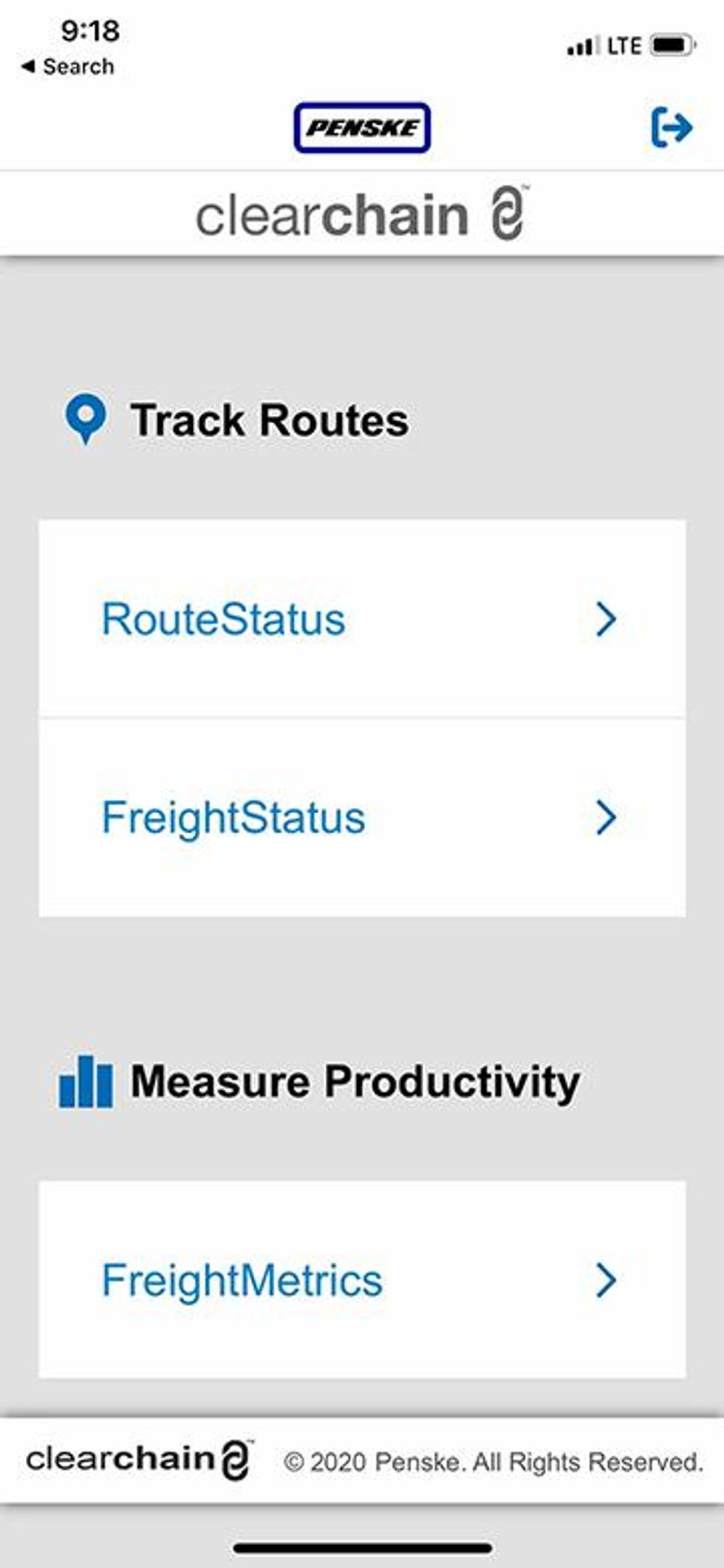
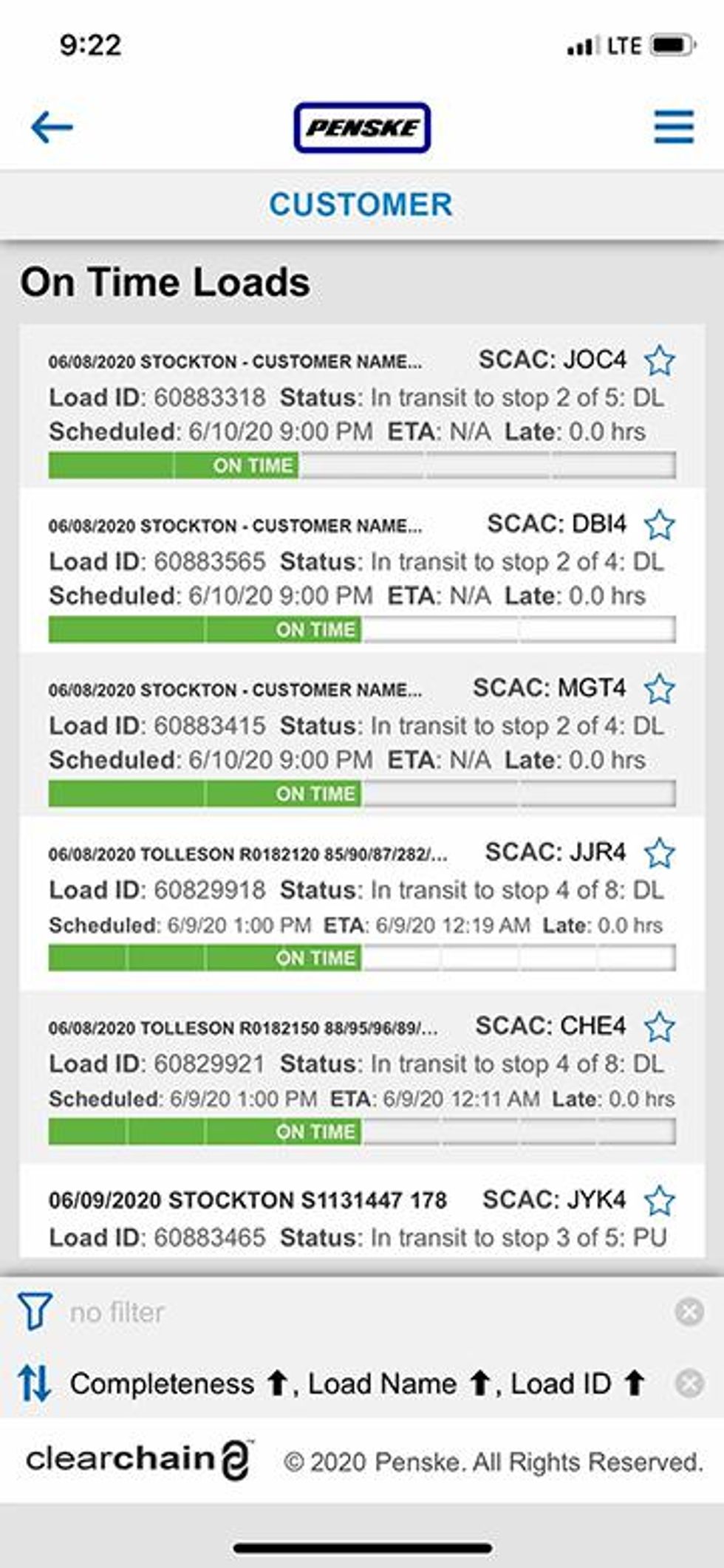
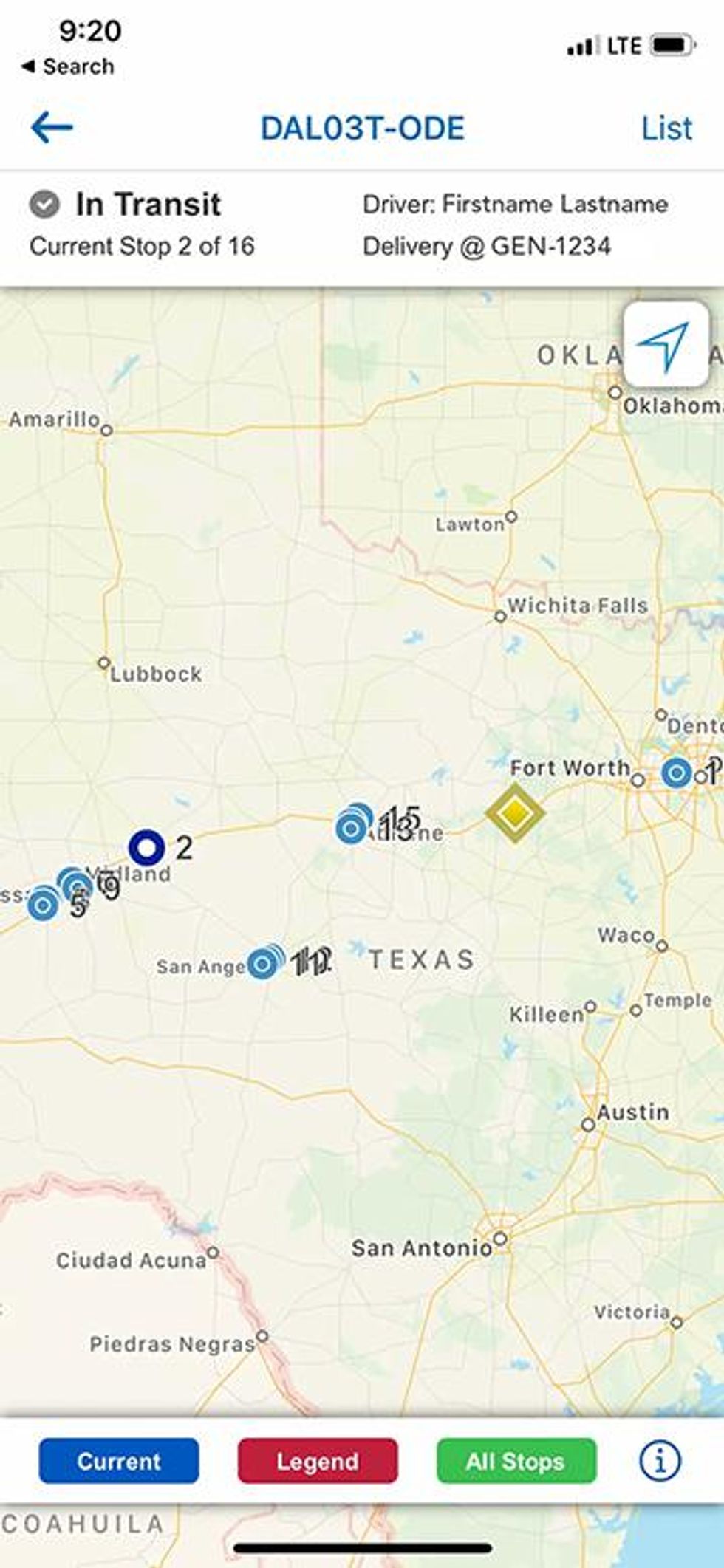
A critical component of that strategy is Supply Chain Insight, Penske's single-platform visibility solution that puts real-time, end-to-end transparency into transportation and warehousing operations within reach for every customer.
Rather than juggling multiple logins across disconnected tools, customers and operations teams access a complete, current view of their entire supply chain from one unified platform. The result is streamlined communication, increased operational efficiency and the ability to identify and address potential disruptions before they escalate into costly problems.
The shift from manual status checks to self-service visibility frees operations teams from routine inquiries, allowing them to focus on exception management and address potential disruptions proactively - before they impact service levels or the bottom line.
A Smarter Way To Manage Transportation
Whether freight markets are booming or softening, the underlying case for dedicated transportation remains compelling. Shippers who rely on the spot market alone are perpetually exposed to forces outside their control. Those who partner with a trusted 3PL for dedicated contract carriage gain stability, visibility and confidence – three things that never go out of style.
When shippers require guaranteed capacity, need to deliver "white glove" service levels to their end customers or simply want to remove transportation uncertainty from their business equation, dedicated contract carriage delivers the control and consistency they need to compete – today and well into the future.
Learn how we can support your dedicated transportation needs. Contact us today.