safety Articles

Periodic maintenance and new construction keep the nation’s roadways strong. New speed limits, traffic patterns and rights of way, as well as worker and vehicle movement in construction areas can all impact work zone safety.

National Work Zone Awareness Week, April 20-24, highlights ways motorists and professional truck drivers can work together to keep work zone workers safe.

The Federal Highway Administration (FHWA) has joined with the American Association of State Highway and Transportation Officials (AASHTO) and the American Traffic Safety Services Association (ATSSA) to coordinate and sponsor the awareness campaign.

This year’s theme is “Safe Actions, Save Lives.”

Before taking the wheel, the FHWA encourages drivers to keep the following in mind when entering a work zone.

Work zones present challenges for truck drivers. Narrowed lanes, sudden stops, traffic pattern shifts, and uneven road surfaces can lead to crashes and fatalities. Plan your route, reduce speed, stay alert, and do your part while traveling through work zones.

Large blind spots, long stopping distances, and size constraints make maneuvering large trucks and buses in work zones particularly challenging. Passenger vehicle drivers should be mindful that CMV drivers need to take extra precautions when driving through these areas.

Pay close attention to road workers and flaggers – give them extra room, always slow down when approaching them, and be prepared to stop if necessary.

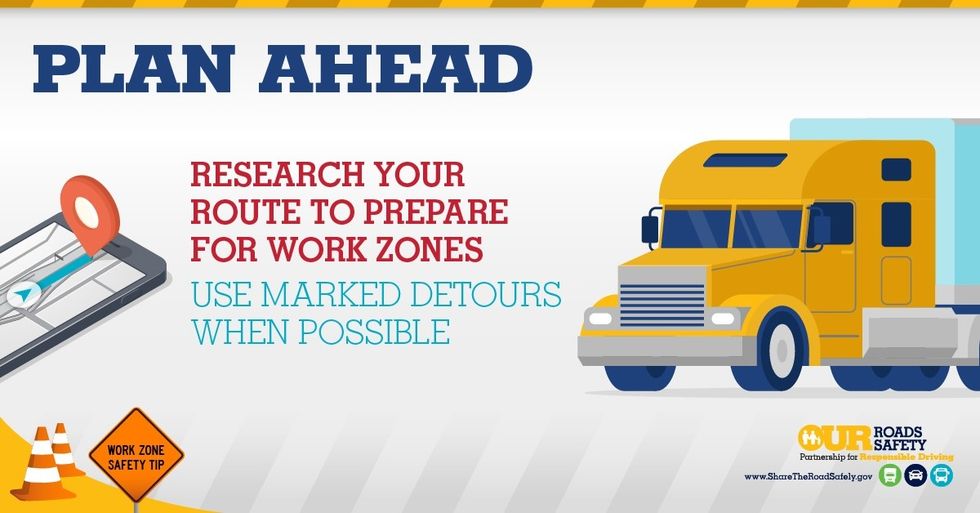
Research your routes and check for upcoming work zones. Make sure you are aware of road work before embarking on your route and when possible, use detours to avoid having to pass through these areas.Reduce speed while traveling through work zones, paying close attention to signs and signals.

Be aware of passenger vehicle drivers around you, who may not be aware of commercial vehicle driving challenges, including large blind spots and longer stopping distances.

When approaching lane closures, move into the open lane as soon as possible – pay close attention to vehicles around you that could be in your blind spot.

Rear-end crashes are common in work zones. Obey all speeds, avoid distractions, and maintain extra space between your vehicle and the one in front of you at all times.

For more information on work zone safety, visit the FHWA website.

By “Move Ahead” Staff
Maintaining the nation’s roadways requires periodic maintenance and even new construction.

New speed limits, traffic patterns and rights of way, as well as worker and vehicle movement, can all impact work zone safety.

[Read more...]Show less

At Penske Logistics, we’ve built our Safety Vision around a simple but powerful principle: creating a culture where we put safety first.

This commitment extends to everyone we work with and serve – our associates, customers, vendors and the communities where we operate.

Through engaged leadership and a workforce dedicated to safe practices, we're striving for a work environment that's incident-free, injury-free and fully compliant with all regulations.

Safety is paramount in truck driving, and our multifaceted safety program for drivers combines proactive safety training with the most advanced truck safety technology.

Three Pillars of Safety

Penske's truck driver safety mission is to protect our associates, the motoring public and our business.

Our safety culture begins the moment a driver joins Penske. Through our associate engagement program, we establish clear safety roles and responsibilities across all locations, set performance expectations, and implement assessment systems that ensure every driver fully understands their safety obligations.

In addition to formal training, we personalize safety through continuous discussion, observation and individualized feedback on performance. This approach moves safety from a set of rules to follow into a core value that drivers genuinely embrace, taking it from the head to the heart.

Education alone isn’t enough. We reinforce our safety culture by celebrating success. Through our Annual Safety Awards program and recognition for accident-free driving records, we honor drivers who demonstrate consistent safety excellence.

This company-wide effort rests on three pillars: training, communication and continuous improvement.

1. Training to improve safety

Effective safety training requires the right content delivered at the right time. Penske accomplishes this through formal courses, a comprehensive library of lessons and resources and regular updates that keep pace with evolving safety standards.

Before operating Penske vehicles, newly recruited drivers complete comprehensive training in critical scenarios, including emergency response protocols. Continuous training programs include hazmat, defensive driving, managing fatigue and visual-based driving tips that reinforce best practices.

We also provide training on safe physical practices – from proper lifting techniques to safe load handling – ensuring associates can perform their duties without injury. By teaching the basics of movement, we help drivers maintain their health for the future.

2. Communication for improved safety

With constantly changing road conditions and safety challenges, consistent communication is essential. Penske uses multiple channels to deliver timely, relevant safety messages that keep drivers informed and alert.

These channels include electronic videos, real-time alerts and targeted messaging on key issues, such as dehydration risks during the summer and sudden weather changes. If we have a series of related incidents, a campaign is created to provide additional training. Common incidents like hydroplaning during inclement weather or inadequate following distances in heavy traffic are often campaign topics.

3. Continuous improvement and safety

We use observations, inspections and performance data to identify areas of where we can do better – because there’s always room to improve.

Our commitment to safer operations begins with our vehicles. As an industry leader in maintenance and safety, Penske Truck Leasing equips our fleet with technology designed to prevent accidents before they happen, such as lane departure warning signals, backup alarms and cameras, stability control, disc brakes, LED headlights and onboard cameras.

This technology helps us stay ahead of potential problems rather than just reacting to them.

Safer Operations Benefit Everyone

Our investment in driver safety isn’t just about protecting our people and our business. Our customers benefit significantly too.

When you partner with Penske, our industry-leading safety record becomes part of your risk management strategy. You reduce liability exposure, protect your brand reputation and gain peace of mind knowing your freight is in the hands of safety-focused professionals.

This means you can focus on what you do best - while we handle moving your goods safely and reliably. Because when it comes to transportation, safety is our top priority.

Contact us for more information.

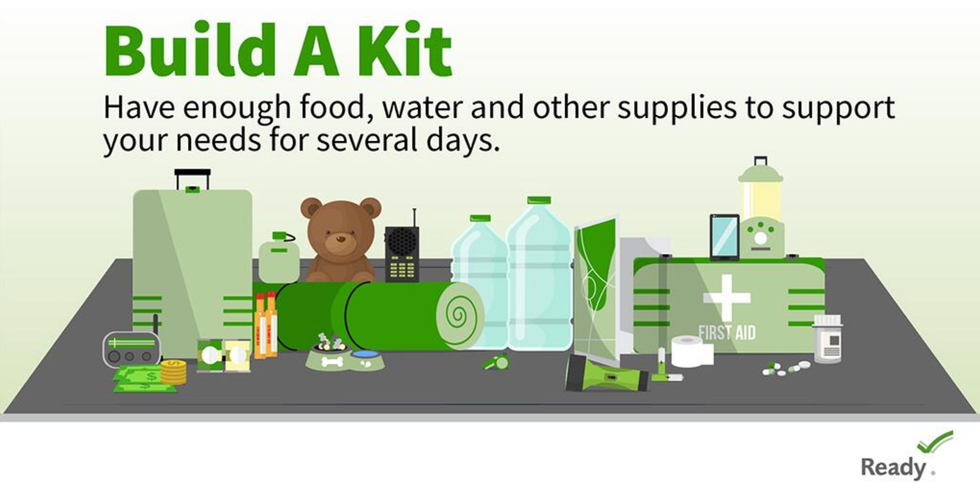
With the official start of the Atlantic hurricane season just a month away, now is the time to get ready for potential storms, as preparation is key to keeping you and your property safe.

National Hurricane Preparedness Week, May 5-11, provides an opportunity to review your safety plans and make any changes long before a storm arrives.

[Read more...]Show less

Road construction and maintenance projects are the keys to maintaining healthy roadways. Yet, these work zones can provide challenges to drivers.

New speed limits, traffic patterns and rights of way, as well as worker and vehicle movement, can all impact work zone safety.

National Work Zone Awareness Week, April 15-19, shines a spotlight on ways drivers can keep themselves as well as work zone workers safe.

[Read more...]Show less

With Tropical Storm Idalia expected to strengthen to a hurricane Monday evening and make landfall Tuesday in Florida, fleet operators are encouraged to take steps now to brace for the storm’s impact.

[Read more...]Show less
Road construction and maintenance projects are the keys to maintaining the health of the nation’s highways. Yet, these work zones can provide challenges to drivers and road workers alike.
[Read more...]Show less

Construction and maintenance projects are the keys to maintaining the health of the nation’s highways. Yet, these work zones can provide challenges to drivers and road workers alike.

[Read more...]Show less

Advancements and updates in technology have added distractions to virtually every aspect of modern life, but they have become increasingly troublesome to drivers. And while 48 states have enacted texting bans to prevent dangerous and deadly consequences on the road, drivers continue to use their smartphones behind the wheel.

[Read more...]Show less

Advancements and updates in technology have added distractions to virtually every aspect of modern life, but they have become increasingly troublesome to drivers. And while 48 states have enacted texting bans to prevent dangerous and deadly consequences on the road, drivers continue to use their smartphones behind the wheel.

[Read more...]Show less
Less traffic on roadways due to COVID-19 stay-at-home orders has led to some drivers being less vigilant about observing traffic safety laws, including speed limits, according to the Commercial Vehicle Safety Alliance (CVSA).
[Read more...]Show less
Less traffic on roadways due to COVID-19 stay-at-home orders has led to some drivers being less vigilant about observing traffic safety laws, including speed limits, according to the Commercial Vehicle Safety Alliance (CVSA).
[Read more...]Show less

Penske Vehicle Services, a Penske Logistics subsidiary headquartered in Troy, Michigan, is the recipient of a $28,000 COVID-19 Mobility Solutions Grant from PlanetM, the mobility initiative of the Michigan Economic Development Corporation.

[Read more...]Show less

For more than two decades, the Federal Highway Administration (FHA) has designated one week each spring as National Work Zone Awareness Week; and Monday, April 20, marks the beginning of this year's campaign.

[Read more...]Show less

Law enforcement across North America will be on the lookout for speeding and other questionable driving behaviors this week during Operation Safe Driver Week.

[Read more...]Show less

Penske Truck Leasing has once again been certified by the National Institute of Automotive Service Excellence (ASE) for its industry-leading Continuing Automotive Service Excellence Education (CASE) program. When Penske attained this certification in 2008, it was the first in its industry to do so.

[Read more...]Show less